
By Puja Lamsal
“What I’m talking to you about is a drop in the bucket. That’s all that it is, but it’s a first step, and we’ve never even been able to take a first step.”
“The biggest impact is relief.” – the Rev. Matthew Knapp
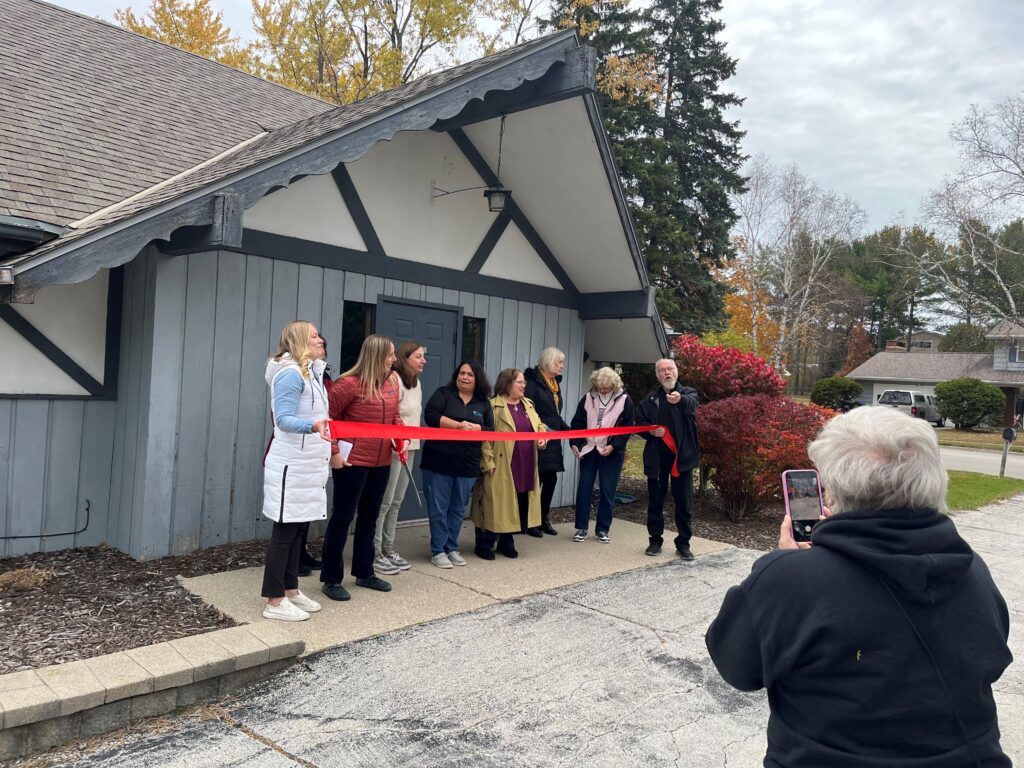
For more than 30 years, the Rev. Matthew Knapp has served Sturgeon Bay Moravian Church in Door County, Wisconsin. Throughout those years, one challenge remained constant: helping people who suddenly found themselves with nowhere to go. Whether it was someone escaping a domestic crisis, facing eviction, or leaving jail without family to receive them, the answer was always the same. The nearest homeless shelter was more than an hour away in Green Bay.
“It was incredibly frustrating,” Rev. Knapp says. “There simply wasn’t a local option.”
Like many rural communities, Door County’s homelessness is often invisible. Rather than sleeping on city streets, many people move between friends’ homes, stay in their vehicles, or camp in secluded areas. Their circumstances rarely appear in official counts, making it difficult to secure funding despite the growing need. For years, churches, law enforcement, and local organizations relied on temporary fixes—hotel vouchers, emergency assistance, and the generosity of neighbors. Those efforts helped people through the night, but they could not provide lasting stability.
“We’ve been putting Band-Aids on things,” Rev. Knapp reflects.
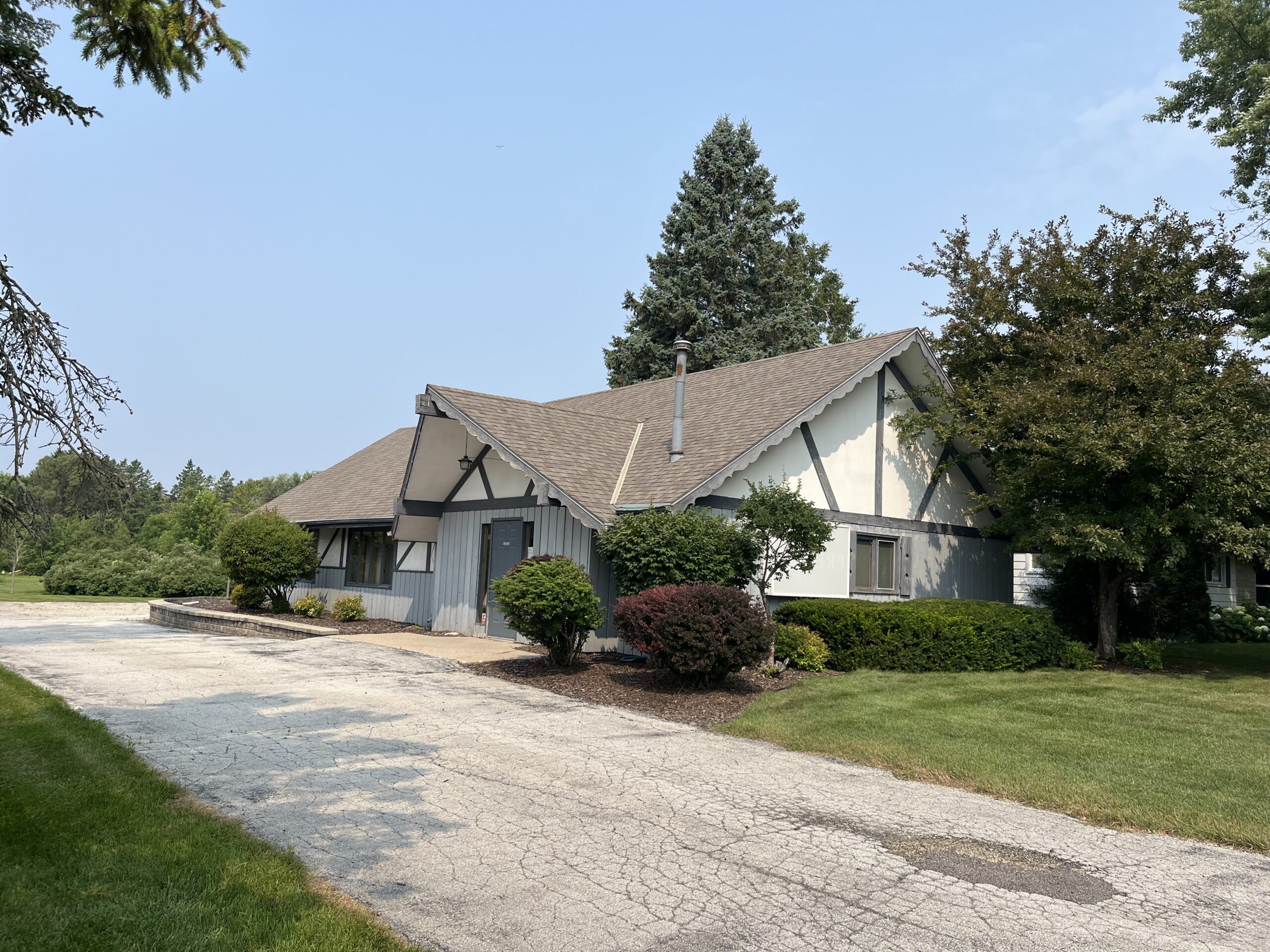
The turning point came in 2018, when Lauren Dowst, a member of the congregation and a social worker at Door County Memorial Hospital, shared her concern about patients leaving the hospital with nowhere safe to go. What began as a conversation soon became a shared vision for transitional housing. Door County Memorial Hospital offered a former clinic building for just one dollar a year. Habitat for Humanity agreed to oversee renovations, while local churches joined together to create a housing coalition modeled after a successful program in Green Bay. A matching grant of $10,000 from MMFA’s Housing and Shelter Fund in 2025 provided the momentum needed to encourage additional fundraising and community support.
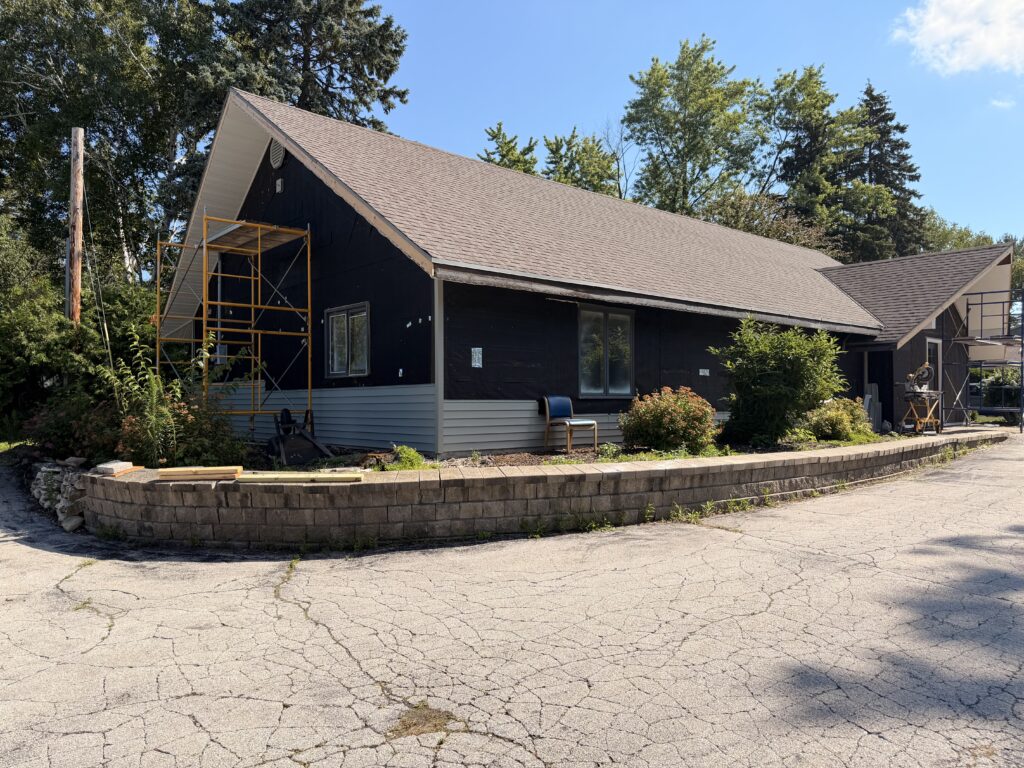
“It gave us leverage,” Rev. Knapp says. “People saw others investing in the project and wanted to be part of it.”
The result is a newly renovated three-bedroom transitional home that will soon welcome its first family. More than temporary shelter, the home will provide residents with case management and connections to employment, mental health services, and other community resources, helping them build a path toward permanent housing. While one home will not solve homelessness in Door County, it has already transformed the community in unexpected ways. The initiative has brought together six churches that continue to collaborate not only on housing, but also on addressing food insecurity and other local needs. In the process, they saw again how homelessness is rarely just about housing; it is often intertwined with loneliness, mental health challenges, addiction, and the loss of dignity and belonging.
“The biggest impact is relief,” Rev. Knapp claims. “What we’re doing is a drop in the bucket, but it’s a first step—and we’ve never even been able to take a first step before.”
Looking back, Rev. Knapp believes the project offers a lesson for any congregation or organization hoping to make a difference: don’t be afraid to dream big, and don’t be afraid to ask for help. As he puts it, “For us as Moravians, it’s all about relationships. It’s not just addressing a specific problem; it’s building relationships with the people we serve and with the people we partner with.”
MMFA is grateful to the donors whose generosity makes Housing & Shelter Fund grants like this possible. At a time when communities are grappling with a housing crisis, a loneliness epidemic, and growing social isolation, this project is a reminder that meaningful change begins with people willing to show up for one another. What a privilege it is to help—even a little.
This article was written by Puja Lamsal, MMFA’s summer intern. Puja is originally from Pokhara, Nepal, and is a student at Salem College, double majoring in Professional Writing and Political Science.